Get Indoor Air Quality Testing
Indoor Air Quality Testing services help property owners identify pollutants, allergens, or mold issues in homes or businesses by connecting them with trusted local contractors.
Understanding indoor air quality is essential for maintaining a healthy and comfortable living or working environment. Property owners in the area may consider indoor air quality testing to identify potential issues such as allergens, pollutants, or mold that could impact health or property conditions. Exploring local service providers can help in planning effective solutions and ensuring that the right assessments are conducted with professional expertise.
By comparing options from local contractors specializing in indoor air quality testing, property owners can find the services that best meet their needs. Whether addressing concerns about air freshness, allergen levels, or potential contaminants, connecting with experienced providers allows for informed decision-making and tailored solutions. Keep reading to discover how local professionals can assist in creating a safer, healthier indoor space.
- Indoor Air Quality Testing - when there are concerns about indoor pollutants affecting health or comfort.
- Mold and Mildew Testing - if visible mold or a musty odor suggests potential indoor air contamination.
- Ventilation System Evaluation - to identify issues with airflow that may contribute to poor air quality.
- Allergen and Dust Testing - when allergy symptoms persist despite cleaning and maintenance efforts.
- Indoor Air Quality Assessment - to determine if indoor environments meet desired air standards or need improvements.


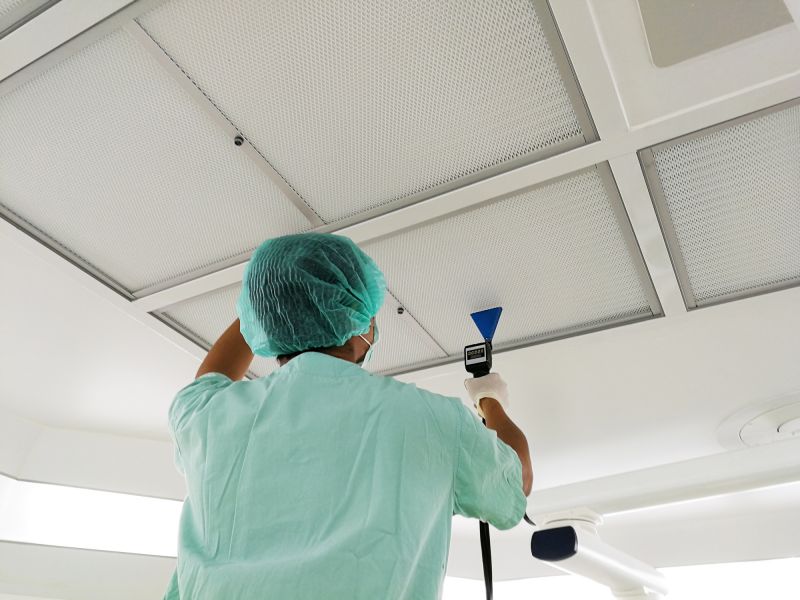
Indoor Air Quality Testing services involve a comprehensive assessment of the air inside a property to identify potential pollutants and contaminants. Certified technicians use specialized equipment to measure levels of common indoor pollutants such as dust, mold spores, volatile organic compounds (VOCs), allergens, and airborne chemicals. This testing helps determine whether the air quality meets healthy standards and can pinpoint specific issues that may be affecting the indoor environment. By understanding the current air quality, homeowners can make informed decisions about necessary improvements or remediation efforts.
These services are particularly valuable for addressing common indoor air problems like persistent allergies, unexplained respiratory issues, or the presence of mold growth. Poor indoor air quality can be caused by factors such as inadequate ventilation, moisture buildup, or the use of certain household products. Testing can reveal hidden sources of pollution that might not be visible or detectable without proper equipment. Identifying these issues early can prevent health problems, improve comfort, and create a safer living space for all occupants.
Indoor Air Quality Testing is often utilized in a variety of property types, including single-family homes, multi-family residences, apartments, and commercial buildings. Homes with recent renovations, water damage, or visible mold are common candidates for testing. Additionally, properties located in areas with high pollution levels or with residents experiencing allergy or asthma symptoms may benefit from this service. Commercial spaces such as offices, retail stores, and healthcare facilities also frequently use air quality testing to ensure a healthy environment for employees and visitors.
Homeowners who notice musty odors, frequent allergy symptoms, or unexplained respiratory issues might consider indoor air testing to identify underlying causes. It is also recommended when there has been water damage, mold growth, or the installation of new building materials and furnishings. By working with local contractors specializing in air quality assessment, residents can gain a clearer understanding of their indoor environment and take appropriate steps to improve air quality. These services provide a practical way to create a healthier, more comfortable living or working space.
The overview below groups typical Indoor Air Quality Testing projects into broad ranges so you can see how smaller, mid-sized, and larger jobs often compare in your area.
In many markets, a large share of routine jobs stays in the lower and middle ranges, while only a smaller percentage of projects moves into the highest bands when the work is more complex or site conditions are harder than average.
Basic Testing - For straightforward indoor air quality tests, local contractors typically charge between $250 and $600. Many routine projects fall within this range, covering standard assessments of common pollutants.
Comprehensive Assessments - Larger or more detailed testing services can range from $600 to $1,500. These projects often involve multiple tests and analysis, with fewer jobs reaching the higher end of this spectrum.
Specialized Testing - For specific issues such as mold or chemical exposure, costs usually run from $1,500 to $3,000. Many of these projects are mid-range, but complex cases may push costs higher.
Full Indoor Air Quality Solutions - Complete testing and remediation plans can exceed $3,000, with larger or more intricate projects potentially reaching $5,000 or more. Such extensive work is less common and typically reserved for severe or widespread issues.
Actual totals will depend on details like access to the work area, the scope of the project, and the materials selected, so use these as general starting points rather than exact figures.
Indoor Mold Inspection - professionals use similar testing methods and tools to identify mold presence and sources of indoor air contamination.
Ventilation System Evaluation - contractors assess airflow and filtration systems to improve indoor air quality, requiring planning and diagnostic skills comparable to air testing.
HVAC Duct Cleaning - this service involves inspecting and cleaning ductwork, which relies on understanding air pathways and contamination control similar to air quality assessments.
Radon Testing Services - detecting radon levels involves environmental testing techniques and equipment that overlap with indoor air quality testing practices.
Asbestos Inspection - identifying asbestos in building materials requires careful sampling and analysis, paralleling the planning and testing skills used in air quality evaluations.
Environmental Sampling and Analysis - collecting samples for various indoor pollutants involves similar procedures and tools as indoor air quality testing, suitable for experienced service providers.

When comparing indoor air quality testing service providers, it’s important to consider their experience with similar projects. A contractor who has handled cases comparable to your situation is more likely to understand the specific challenges and nuances involved. This familiarity can contribute to more accurate testing and reliable results. While credentials like certifications are not the focus here, asking about the types of projects they’ve worked on can provide insight into their practical knowledge and ability to address your concerns effectively.
Clear, written expectations are a key factor in selecting a reputable service provider. An experienced contractor should be able to communicate their testing process, what the results will include, and any follow-up recommendations in straightforward terms. This transparency helps ensure there are no surprises and that you understand what services are being provided. Having these expectations documented can also serve as a reference point for evaluating the quality and thoroughness of the work performed.
Reputable references and good communication are essential when choosing a local contractor for indoor air quality testing. Reliable service providers can offer references from previous clients, demonstrating their track record of satisfactory work. Additionally, clear and prompt communication during the inquiry process indicates professionalism and a commitment to customer service. Remember, this site introduces homeowners to local options and does not perform the testing itself; it’s about connecting with trusted service providers who can handle the job with experience, clarity, and professionalism.
Property owners use Indoor Air Quality Testing services for practical projects around their homes and businesses. This guide focuses on everyday jobs and straightforward project options.
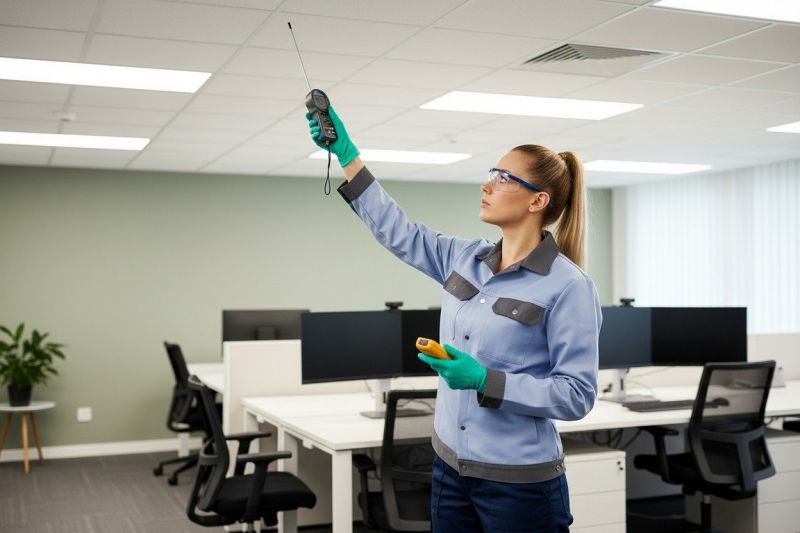
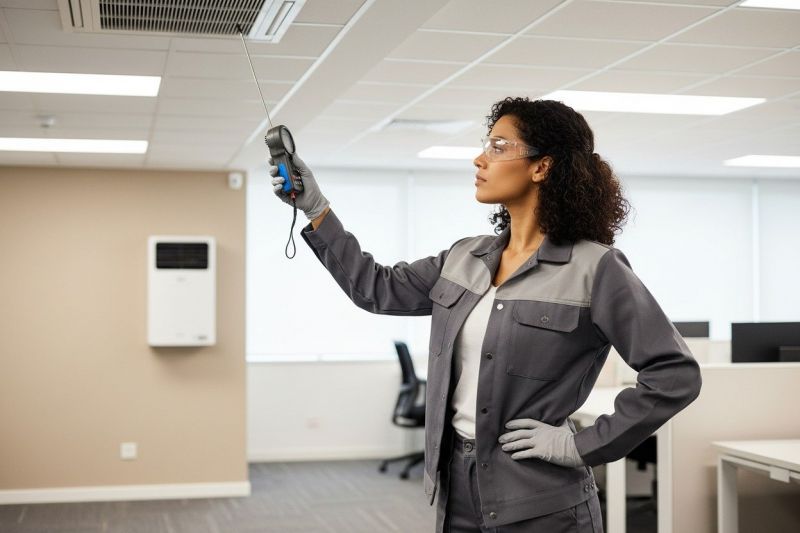
Indoor air quality testing services are often sought after by property owners dealing with persistent odors, allergy symptoms, or unexplained respiratory issues within their homes or commercial spaces. Whether a homeowner notices a musty smell in a basement or a business owner wants to ensure a healthy environment for employees and visitors, local contractors can provide assessments to identify airborne pollutants, mold, or other contaminants that might be affecting indoor air. These services can be particularly valuable during renovation projects, after water damage, or when buying or selling a property to verify air conditions meet safety standards.
Property owners in the area may also consider indoor air quality testing when planning to improve ventilation systems or address concerns about allergens and irritants. Local service providers can help determine if indoor air is safe and recommend appropriate solutions to improve overall air quality. This proactive approach is often part of maintaining a healthy living or working environment, especially in spaces where occupants experience ongoing discomfort or health issues that could be linked to indoor air quality problems.
What is indoor air quality testing? Indoor air quality testing involves assessing the air inside a building to identify pollutants, allergens, and other airborne contaminants that may affect health and comfort.
Why should I consider indoor air quality testing? Testing can help detect issues like mold, dust, or chemical pollutants, providing valuable information to improve indoor air conditions and promote a healthier environment.
How do local contractors perform indoor air quality testing? Local service providers use specialized equipment to measure pollutant levels, identify sources of contamination, and recommend appropriate solutions based on the test results.
What types of pollutants can indoor air quality testing identify? Testing can detect allergens, mold spores, volatile organic compounds (VOCs), particulate matter, and other airborne contaminants that may impact indoor air quality.
How can I find local pros for indoor air quality testing? This platform helps connect individuals with experienced local contractors who specialize in indoor air quality assessments and testing services.
Indoor Air Quality Testing - Property owners can use this service to identify potential pollutants or allergens in their living or working spaces.
Air Quality Assessment - Homeowners may evaluate the effectiveness of their ventilation systems and improve indoor air conditions.
Environmental Monitoring - Building managers can regularly check air quality levels to maintain a healthy environment for occupants.
Pollution Source Detection - Residents can pinpoint specific sources of indoor contaminants to address and reduce exposure.
If you are thinking about Indoor Air Quality Testing for a property, this guide is meant to help you understand the work, the typical project types, and how different options might fit your plans.
When you are ready, you can use the quote form on this page to share a few details about your project. From there, local pros can review the basics and respond with options that match what you have in mind.